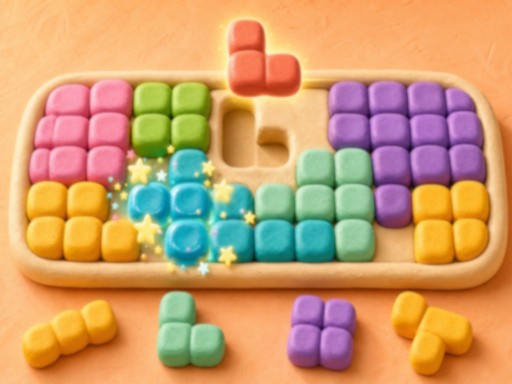
The casual gaming ecosystem is packed with standard geometric block games and repetitive match-3 titles. However, every so often, a clever title emerges that takes the best elements of spatial planning and color coordination, fusing them into a single, beautifully tranquil experience. That title is Color Mosaic. Combining the deliberate polyomino drag-and-drop gameplay of Tetris-inspired block puzzles with the vibrant thrill of adjacent Match-3 mechanics, Color Mosaic demands a fresh strategic perspective from modern puzzle fans.
If you find your board constantly filling up too fast, leaving you trapped with unusable large shapes, you are likely treating Color Mosaic like a basic monochrome block builder. In this exhaustive, strategy-focused guide, we will break down the fundamental rules, explore spatial management tactics, analyze combo setups, and teach you how to turn peaceful untimed turns into sky-high record runs.
Phase 1: Understanding the Hybrid Mechanics
To consistently excel in Color Mosaic, you must shift your thinking away from strict row-clearing and focus on color adjacency network building. Every turn presents you with a choice of geometric polyomino shapes at the bottom of the board. Unlike rigid traditional falling-block puzzles, you have total control over where and when you place these colorful pieces on the open grid.
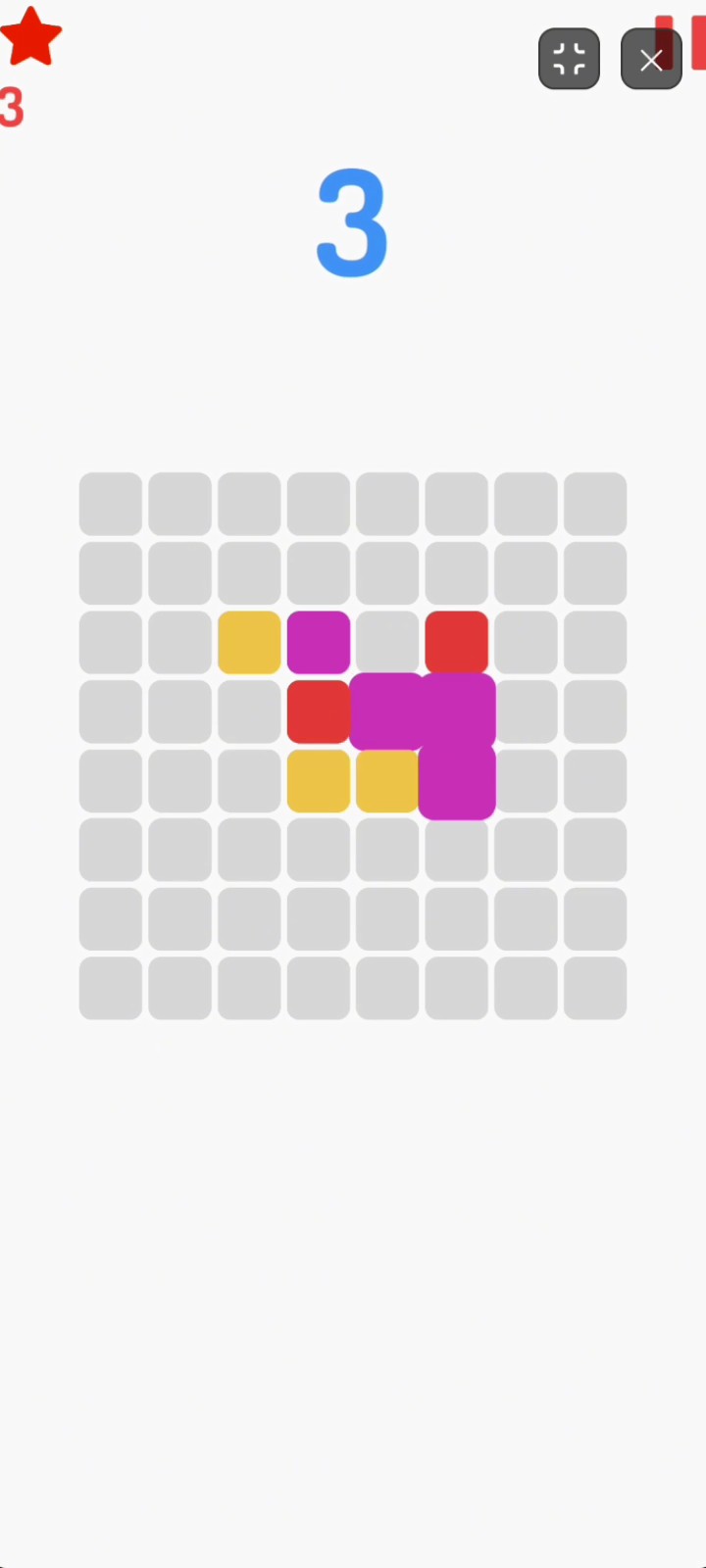
Rule 1: Spatial Placement. You can drag any available shape from your selection tray into any empty grid slots that accommodate its exact physical footprint. Once placed, a piece remains fixed unless popped by a color match.
Rule 2: The Color Pop Condition. Each shape is composed of individual multi-colored tiles. Whenever 3 or more adjacent small tiles of the exact same color connect vertically, horizontally, or in L-shaped clusters, those connected color regions immediately pop and clear from the board.
Novice players focus solely on dropping a piece where it physically fits. Advanced players analyze the color margins of every piece in their inventory. A master move involves dropping a multi-colored block so its left side completes a 3-tile Red group while its top edge simultaneously completes a 3-tile Blue group, clearing both sections in a single turn and opening up massive board space.
Phase 2: Master Class in Spatial Management & Board Architecture
Running out of physical grid space is the primary reason games end in Color Mosaic. Because shapes spawn in varying sizes—from small 2-tile lines to massive 3x3 blocks—keeping open real estate is crucial for survival.
1. Maintain the "Golden Safety Zone"
Never fill the center of your board indiscriminately. Always keep a continuous 3x3 open quadrant (typically in one of the top or bottom corners). This open zone serves as an emergency landing pad for awkward, bulky polyominos that could otherwise instantly cause a gridlock game over.
2. Avoid "Color Fragmentation"
Resist the urge to drop mismatched colored pieces randomly across the grid just to clear your tray. Placing an isolated yellow tile in the middle of red clusters creates "dead space"—isolated tiles that require multiple turns to surround and match. Group similar colors in clean neighborhoods so future pieces can clear them easily.
3. Perimeter and Edge Cleaning
Corners and grid edges are notorious traps for stranded single tiles. Prioritize building color chains along the outer perimeters of the board. Clearing the boundaries keeps your active workspace in the middle wide open, maximizing visual clarity and physical placement options.
Phase 3: High-Score Combos & Chain Reactions
Score gains in Color Mosaic escalate exponentially when you clear multiple color clusters in quick succession or set up cascading chain reactions.
- The Multi-Group Anchor: Look for opportunities to place a single block that bridges two distinct color clusters. Clearing two 3-block sets at once yields significantly higher bonus points than clearing them in separate turns.
- Pre-Planning the Tray Sequence: Color Mosaic always displays multiple shapes in your bottom dock. Before committing to your first move, mentally test the placement of all available pieces. Sequence your drops so piece #1 sets up the color match for piece #2.
- Leverage the Untimed Atmosphere: There is no ticking clock pushing you to make fast mistakes. Take your time, inspect the board state, evaluate color connections, and play at your most comfortable cognitive rhythm.
Gameplay Walkthrough: High-Challenge Showcase
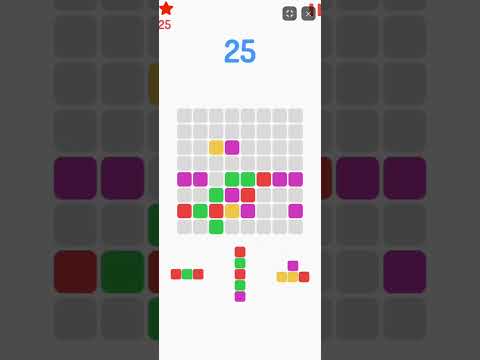
Watching high-level grid management in action is the fastest way to refine your strategy. Watch the gameplay challenge video below to see real-time block placements, spatial maneuvering, and color combo clearing in motion.
Cognitive & Mental Fitness Benefits
Engaging regularly with Color Mosaic isn't just entertaining—it offers a rewarding mental workout. The game actively exercises several key cognitive skills:
- Spatial Visualization: Mentally fitting irregular 2D geometric blocks onto an active grid sharpens spatial reasoning.
- Visual Processing: Scanning complex multi-colored boards improves fast pattern recognition and visual clutter filtering.
- Executive Planning: Managing space reservations while planning multi-turn color combos exercises working memory and risk evaluation.
Frequently Asked Questions (FAQ)
Q: What makes Color Mosaic different from standard Tetris?
A: Standard Tetris requires you to form unbroken horizontal lines across the entire board to clear blocks. Color Mosaic allows you to clear space anywhere on the grid simply by connecting 3 or more adjacent small blocks of the same color, regardless of whether a line is completely filled.
Q: Can I play Color Mosaic for free on mobile devices and computers?
A: Yes! Color Mosaic is built in lightweight HTML5, making it completely free to play directly inside any modern web browser across desktop PCs, laptops, iPads, and mobile smartphones without downloading any apps.
Q: How can I achieve a higher score in Color Mosaic?
A: To maximize your high score, focus on creating multi-color combos (clearing more than one color cluster in a single placement) and maintaining continuous open grid space so you can survive longer into the game.
Final Verdict: Relaxing Yet Brain-Teasing Excellence
With its soothing visual design, charming color palettes, and deep tactical layer, Color Mosaic stands out as a standout choice for casual gamers and puzzle purists alike. By keeping your board clear, planning your tray drops, and setting up dual-color pops, you will shatter your personal bests and master the grid. Jump into the game above and start matching today!