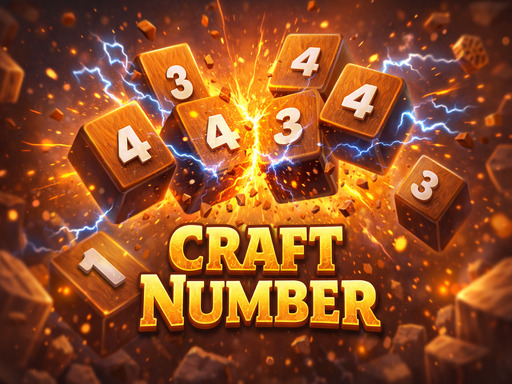
If you're a fan of digital brain teasers, you're likely familiar with the deeply satisfying dopamine loop of number-merging games. Titles that require you to slide, combine, and eliminate digits have dominated mobile and browser gaming for years. However, Craft Number takes this familiar genre and strips it down to its most punishing, mathematically rigorous core. It's not about swiping endlessly until a big number appears; it's a game of strict arithmetic, fierce grid management, and calculating your moves three steps in advance.
On the surface, shooting numbered tiles up a grid to add them together sounds like elementary school math. But the moment your columns start overflowing with mismatched digits, preventing you from reaching your target score, panic sets in. If you find yourself constantly hitting a "Game Over" screen because your 4x4 board is completely deadlocked, you need to rethink your approach. In this comprehensive, 1,000+ word deep-dive strategy guide, we are going to dissect the brutal logic engine of Craft Number. From understanding the danger of the "over-target trap" to dedicating specific lanes for garbage numbers, we will equip you with the elite tactics needed to conquer any grid configuration.
Phase 1: Setting the Stage — The Illusion of Choice
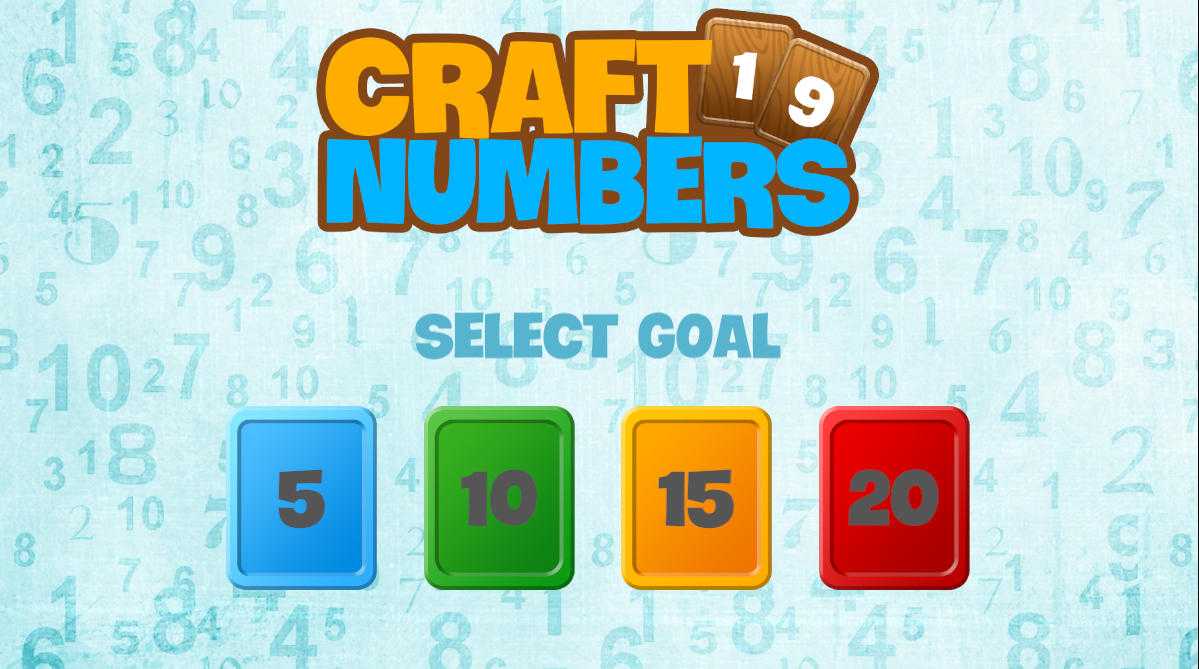
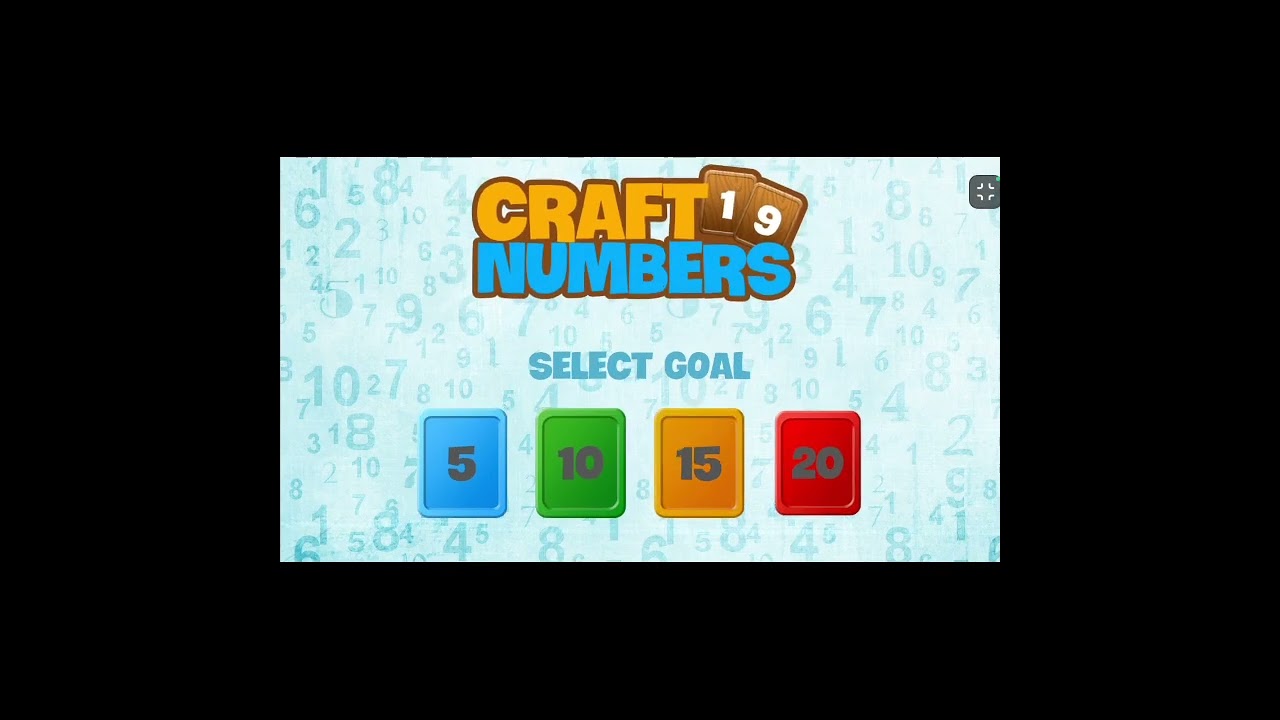
Craft Number doesn't just throw you into a standardized level. Before a match even begins, you are forced to make two critical decisions that will dictate the entire rhythm of your run. First, you must select your Target Number: 5, 10, 15, or 20.
Second, you must choose your battlefield: a tight 4x4 grid or a slightly more forgiving 4x5 grid.
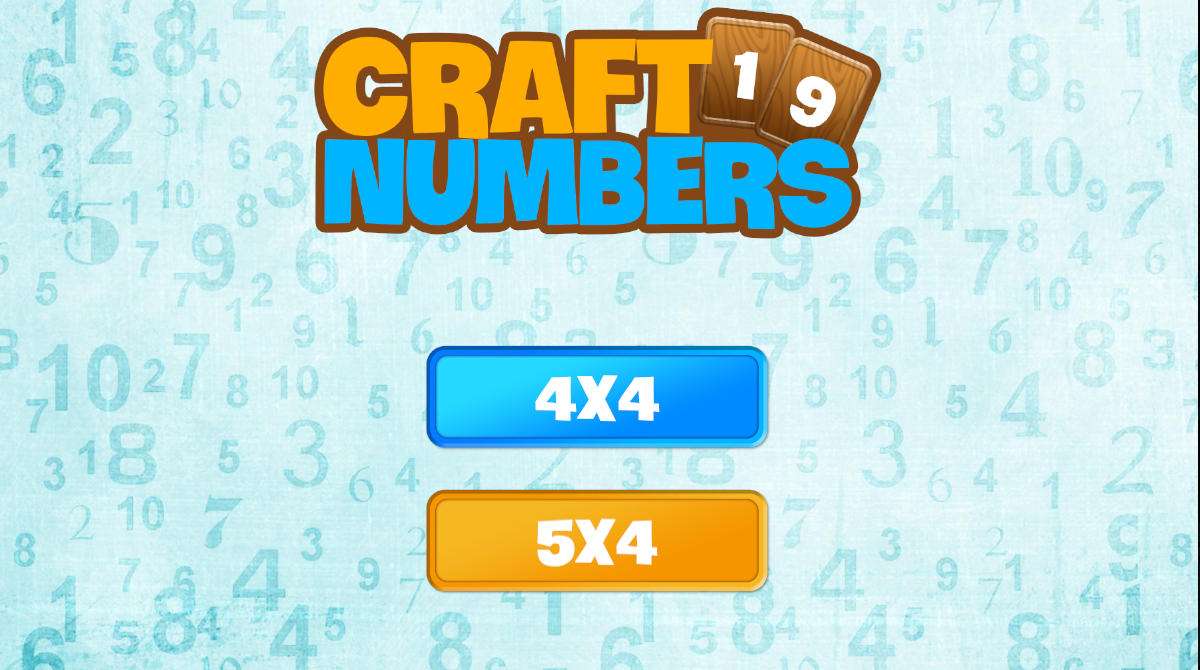
Do not be fooled into thinking that picking a higher target number (like 20) with a larger grid (4x5) gives you more freedom. In fact, the higher your target, the higher the mathematical variance you have to deal with. If your target is 5, you only have to manage small numbers. If your target is 20, you are juggling double-digit additions where a single miscalculation can completely brick a column. For beginners, we highly recommend starting with Target 10 on a 4x5 grid. It provides enough space to recover from minor mistakes while keeping the addition manageable.
Phase 2: The Core Mechanics of Addition and Elimination
The interface of Craft Number is elegantly simple. Below your grid, three random numbers are generated. You tap one of these numbers along the directional arrows, shooting it straight up into the corresponding column. The number will lock into the first available position in that column.
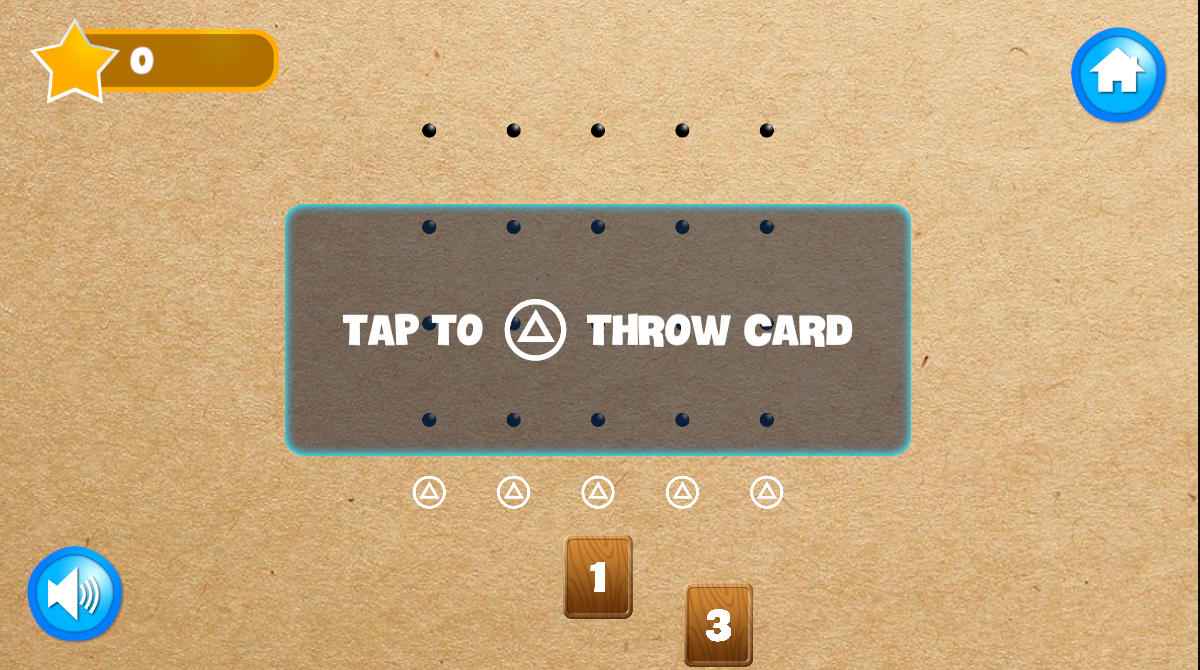
This is where the game's unique physical engine comes into play. If you shoot a number into a column that already contains a number at the top, the game performs an instant addition check:
- The Merge (Sum < Target): If the sum of your new number and the existing number is strictly less than your target, the two blocks will physically merge into a single block. For example, if your target is 10, and you shoot a 3 into a column holding a 4, they merge into a single 7. You have effectively consolidated space.
- The Elimination (Sum == Target): This is the golden scenario. If your new number perfectly completes the equation to match your target, the blocks merge, glow, and are instantly eliminated from the board, freeing up that crucial grid space.
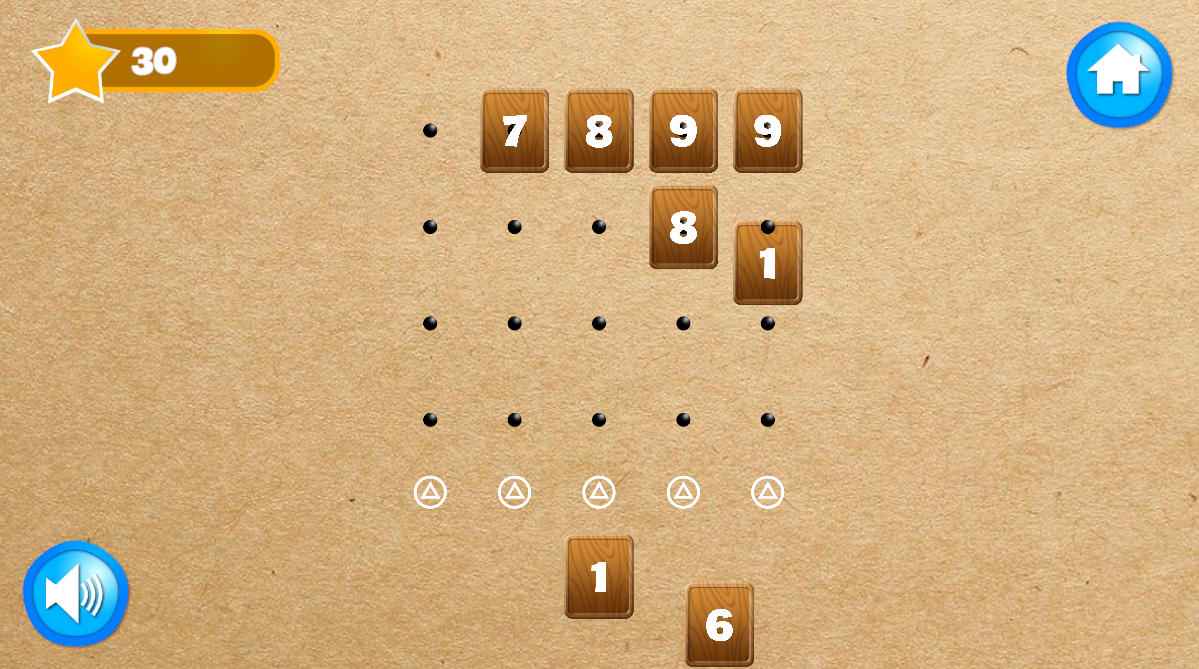
Here is the mechanic that ruins most runs. What happens if the sum exceeds your target? If your target is 10, you have an 8 in a column, and you shoot a 4 into it... they do NOT merge into a 12. Because the sum breaks the threshold, the game severely punishes you. The 4 will simply stack beneath the 8, occupying an entirely new grid space. You have now wasted a slot and severely limited the depth of that column.
Phase 3: The Danger of the Stack and Gridlock
Gridlock is the quiet killer in Craft Number. Because numbers that exceed the target stack instead of merging, carelessly throwing large numbers into columns that hold large numbers creates a physical barrier.
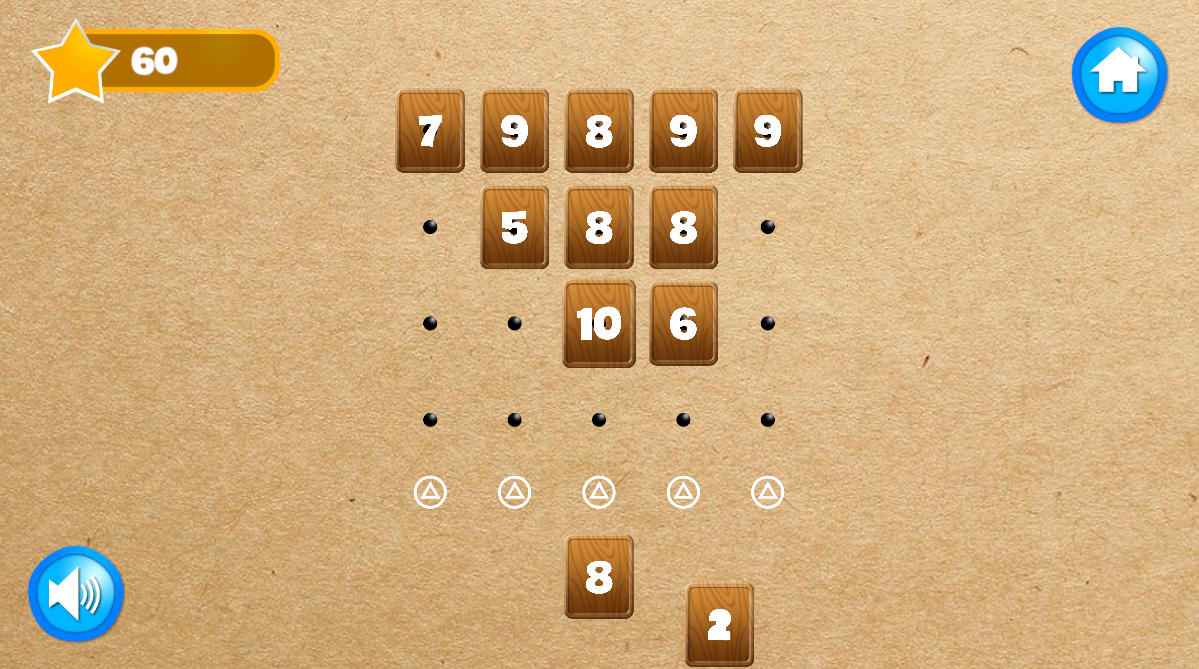
If you are playing on a 4x4 board, each column can only hold a maximum of 4 distinct blocks. Once a column is full, you can no longer shoot any numbers into that lane. If all four columns become full and no incoming numbers can trigger a perfect target elimination, the game immediately ends. Therefore, your primary directive isn't just "making matches," it's preventing stacks.
Gameplay Walkthrough: Watch the Math in Motion
Before diving into advanced tactics, observing the rhythm of the game is essential. Watch the gameplay video below. Notice how the player constantly calculates the "remainder" needed for each column, and how they actively avoid shooting large numbers into columns that are already close to the target.
Phase 4: Advanced Tactics — Lane Dedication and Remainder Tracking
To truly master Craft Number and achieve endless runs, you must stop reacting to the numbers the game gives you and start imposing your own structure onto the grid. Here are three elite strategies to elevate your gameplay:
1. The "Remainder Tracking" Mindset
Never look at a block and see its current value; look at it and see what it needs. If your target is 15, and you have a 9 in a column, do not think of it as a 9. In your mind, that column is a "Waiting for a 6" lane. By reframing how you view the board, you can instantly scan your three incoming numbers and snap them into their perfect slots without hesitating.
2. Lane Dedication (The Garbage Chute)
Because the three incoming numbers are generated by pure RNG (Random Number Generation), you will frequently be handed numbers that simply do not help you. If you have three columns sitting at a value of 8, and the game hands you a 5 (Target 10), shooting that 5 anywhere will cause a stack. To combat bad RNG, you must dedicate one column specifically as your "Garbage Chute." Use this lane to dump incompatible numbers, keeping them safely away from your perfectly prepped columns. Yes, this lane will stack up quickly, but by sacrificing one lane, you protect the integrity of the other three.
3. The Snowball Effect of Small Numbers
Small numbers (1s, 2s, and 3s) are the unsung heroes of Craft Number. They are incredibly versatile. If you are stuck with a massive number that you can't eliminate, feed it a steady diet of 1s and 2s to slowly walk it up to the target value. Never throw a small number into your Garbage Chute; they are your precision tuning tools.
Final Verdict: A Calculated Victory
Craft Number is a beautifully unforgiving game that demands respect. It takes the visual appeal of a modern hyper-casual puzzle game and underpins it with the strict, unyielding logic of arithmetic. By understanding the severe penalties of over-stacking, actively tracking your remainders, and utilizing sacrificial lanes to absorb bad RNG, you will transform from a frantic swiper into a calculated mathematician. Keep your grid clean, do the math ahead of time, and watch those numbers vanish!