FlipLines Game Strategy Guide: Master Paddle Physics & Trajectory Prediction
Few interactive formats balance kinetic energy and rapid decision-making as beautifully as FlipLines Game. It takes the familiar thrill of gravity-driven physics simulators and infuses it with a fast-paced interactive twist: rather than simply setting up a run and watching it unfold, you must actively guide, shape, and adapt the system in real time. Drawing, flipping, and navigating through challenging structures filled with tricky paths requires players to develop sharp spatial reflexes and a deep understanding of trajectory dynamics.
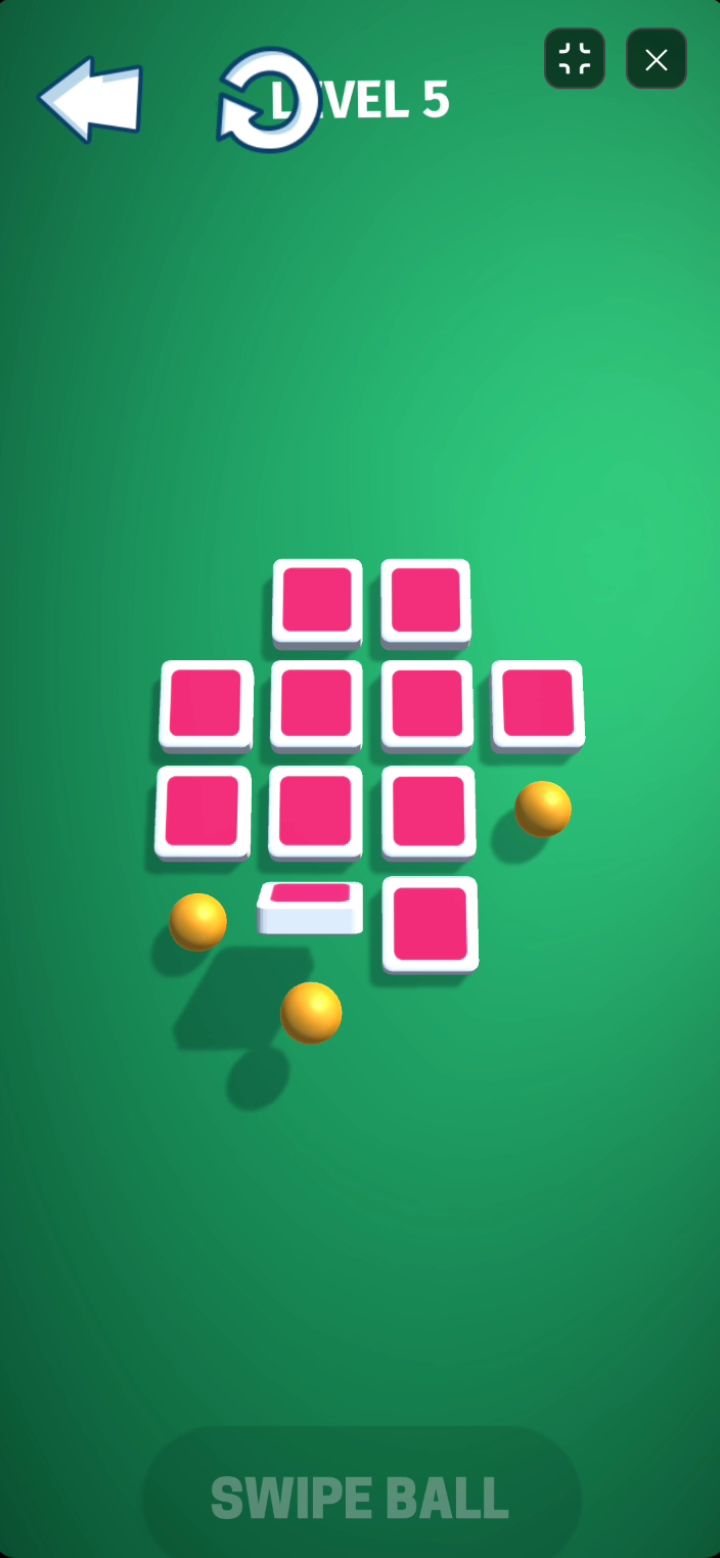
At its core, FlipLines Game presents a simple goal: guide a rolling ball along a series of lines and structural paths, ensuring that every interactive paddle on the board is flipped to its target face. However, the execution is where the real challenge lies. The central difficulty stems from a strict mechanical rule: you must select and flip the paddles after the ball has successfully passed through them. This demands that players suppress the urge to click ahead, instead training their eyes to follow the trailing edge of the ball while simultaneously anticipating where its next bounce will lead.

Decoding the Physics of the Post-Pass Pivot
To master the unique flow of FlipLines Game, you must first understand the physics of its paddle triggers. Each paddle on the board serves two distinct roles. First, it acts as a physical ramp or structural guide that directs the momentum of the ball. Second, it functions as an interactive light switch that must be flipped to its target face to clear the level. If you tap a paddle while the ball is rolling across its surface, you will interrupt its kinetic pathway, causing the ball to drop off the grid and triggering an immediate fail state.
This design creates a tight window for player input. You must allow the ball to fully clear the paddle's physical hitbox, and then tap that paddle to flip its state before the ball exits the screen or drops into a dead zone. This requires players to mentally divide each level into separate "kinetic zones" and "input zones." Successfully completing a run is less about having fast fingers and more about establishing a smooth rhythm—smoothly tracking the ball with your eyes while tapping just behind its path of travel.
Conquering Complex Paths and Gravity Trajectories
As you progress into the game's more difficult stages, the simple, linear drops of the early levels are replaced by dizzying mazes of crisscrossing lines, loops, and rapid drops. In these advanced layouts, the ball picks up significant speed, shortening your window for input and requiring split-second decisions.
The key to conquering these high-velocity maps is trajectory forecasting. You cannot simply watch the ball and react in real time; you must mentally project its path two or three steps ahead. Study the curves of the guide lines to anticipate where the ball will accelerate and where gravity will slow its climb. On boards with multiple paths, look for key intersections where a single ball must make several passes. By planning your taps to match these natural pauses in speed, you can cleanly flip every paddle on the board without risking a costly collision.
Visual Study: Analyzing High-Speed Runs
To truly grasp the timing required for advanced stages, it helps to watch these strategies in action. Study the short gameplay demonstration below to observe the precise microsecond the player triggers each paddle flip after the ball clears its boundary.

Pro-Tips for Flawless Board Clears
Keep these highly effective tactical habits in mind to easily conquer even the most chaotic late-game stages:
- The Trigger Delay: Treat your inputs like a rhythm game. Instead of rushing to tap the second the ball rolls past, count a brief beat in your head to ensure the ball has completely cleared the paddle's physical frame.
- Anchor Your Eyes: Do not try to track the fast-moving ball across the entire screen. Instead, pick a spot just behind the ball's current position, focusing your attention on the paddles that need to be flipped next.
- Plan for Inertial Drifts: Keep in mind that the ball carries momentum. When exiting a steep drop, the ball will travel much faster across the next few paddles, dramatically shortening your input window. Adjust your tap speed to match these sudden shifts in acceleration.
- Identify the Safety Valves: Look for slow-moving loops or flat stretches on the board. Use these areas as brief mental reset points to double-check which paddles you might have missed before the ball heads into the next high-speed drop.
By keeping your cool, planning your paths ahead of time, and mastering the rhythmic timing of the post-pass pivot, you can easily guide your ball through any challenge the game throws at you. Focus on the curves, time your taps perfectly, and watch every line fall into place!
If you encounter any physics issues, visual glitches, or want to share feedback on the puzzle layouts, feel free to contact our QA team at support@puzzlechallengehub.com. Player feedback is incredibly valuable as we balance upcoming levels and map designs.
Play FlipLines Game Free Online
FlipLines Game
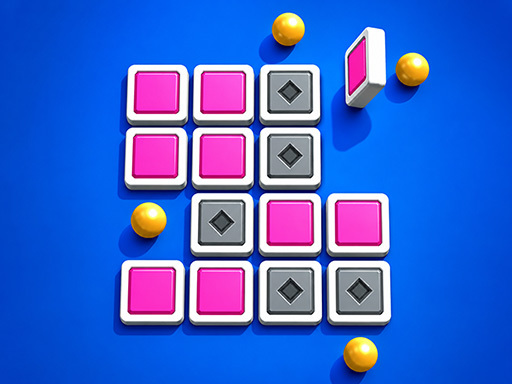
Test your timing and spatial reflexes! Guide a rolling ball along complex lines and tap each paddle to its target face immediately after the ball passes through. Perfect your rhythm and master physics-driven paths in this addictive arcade puzzle.