The casual mobile gaming landscape has been completely dominated by the "merge" genre over the last few years. There is something undeniably soothing about taking basic, raw materials and combining them into increasingly complex and beautiful structures. However, Merge World elevates this deeply satisfying gameplay loop by seamlessly integrating elements of city-building, simulation, and spatial strategy.
Unlike standard puzzle games where you simply swipe to clear a board, Merge World gives you a massive, persistent sandbox. You are not just matching items; you are cultivating an ecosystem. You start with simple logs and twigs, and through the power of combination, you gradually construct sprawling houses, dense forests, and hidden treasure troves. In this massive, 1000+ word strategy masterclass, we will tear down the mechanics of Merge World. We will explore the critical difference between raw materials and "generators," teach you how to organize your grid to prevent disastrous clutter, and show you how to leverage the in-game encyclopedia to plan your ultimate metropolis. Let’s start merging!
Phase 1: The Foundation – Harvesting and the Rule of Adjacency
Every great civilization starts with basic raw materials, and in Merge World, your journey begins with the humble tree. By tapping on specific harvestable objects (like trees), you generate basic resources such as raw wood. The core engine of the game is driven by a simple mathematical rule: whenever you place three or more identical items adjacent to each other on the grid, they instantly fuse together to form a single, upgraded item of the next tier.
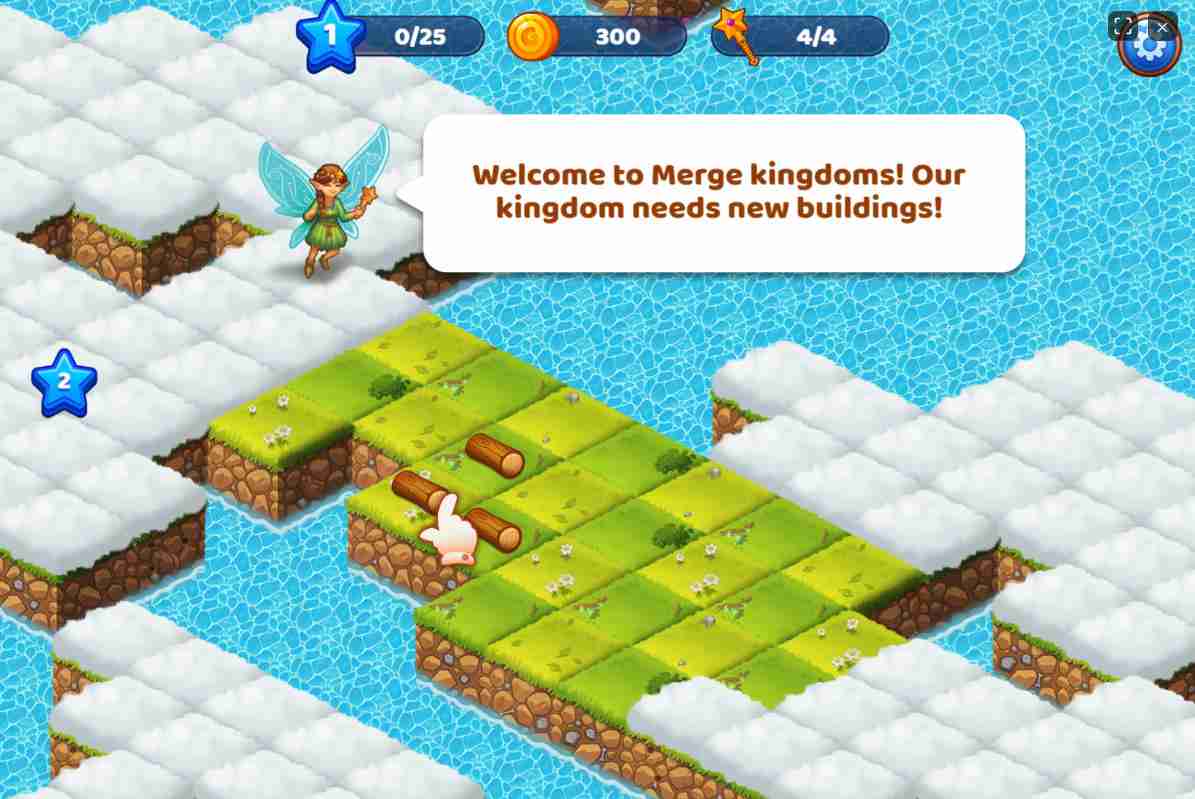
However, the way you move these items is what defines your success. The game allows you to freely drag and drop materials and buildings anywhere on your available map. This freedom is both a blessing and a curse. If you randomly scatter your wood, stones, and plants across the map, you will quickly run out of usable space.
Amateurs merge three items as soon as they get them. Veterans set up "Chain Reactions." Instead of merging three logs immediately, line up two pairs of logs next to two pairs of planks. When you drop the final log to trigger the first merge, the resulting plank will automatically trigger the adjacent planks, creating an instant cascading upgrade. This not only saves you physical grid space but also maximizes your overall efficiency.
Phase 2: Space Management and The Generator Economy
As you progress through the merge chains, you will notice that not all items are passive decorations. Some of the higher-tier items you create actually become Generators. For example, merging enough basic resources might yield a specific type of building or upgraded nature tile that, when tapped, produces a completely different set of raw materials.
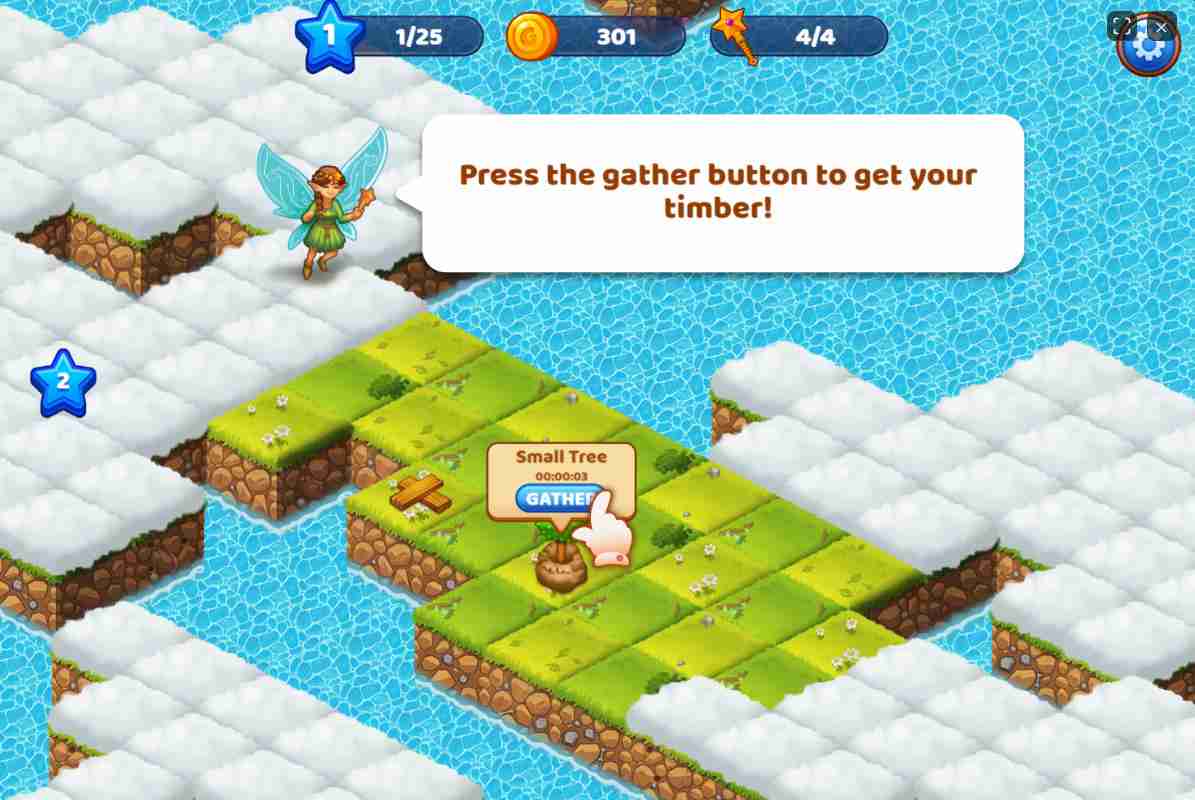
This introduces a complex economic layer to the game. You must carefully manage your physical grid space. If you have too many generators churning out different types of low-level items (like stones, seeds, and wood all at once), your map will become a chaotic mess, and you will suffer from gridlock—meaning you won't have enough empty adjacent tiles to actually perform a merge.
The Zoning Strategy: Treat your map like a real city planner would. Create dedicated "Zones" on your grid. Keep all your wood-related items in the top left corner, your stone items in the bottom right, and reserve the center of your map strictly as a "working area" where you actually perform your merges. By physically grouping similar items together, you dramatically reduce visual clutter and make chain reactions much easier to execute.
Gameplay Walkthrough: Building an Empire
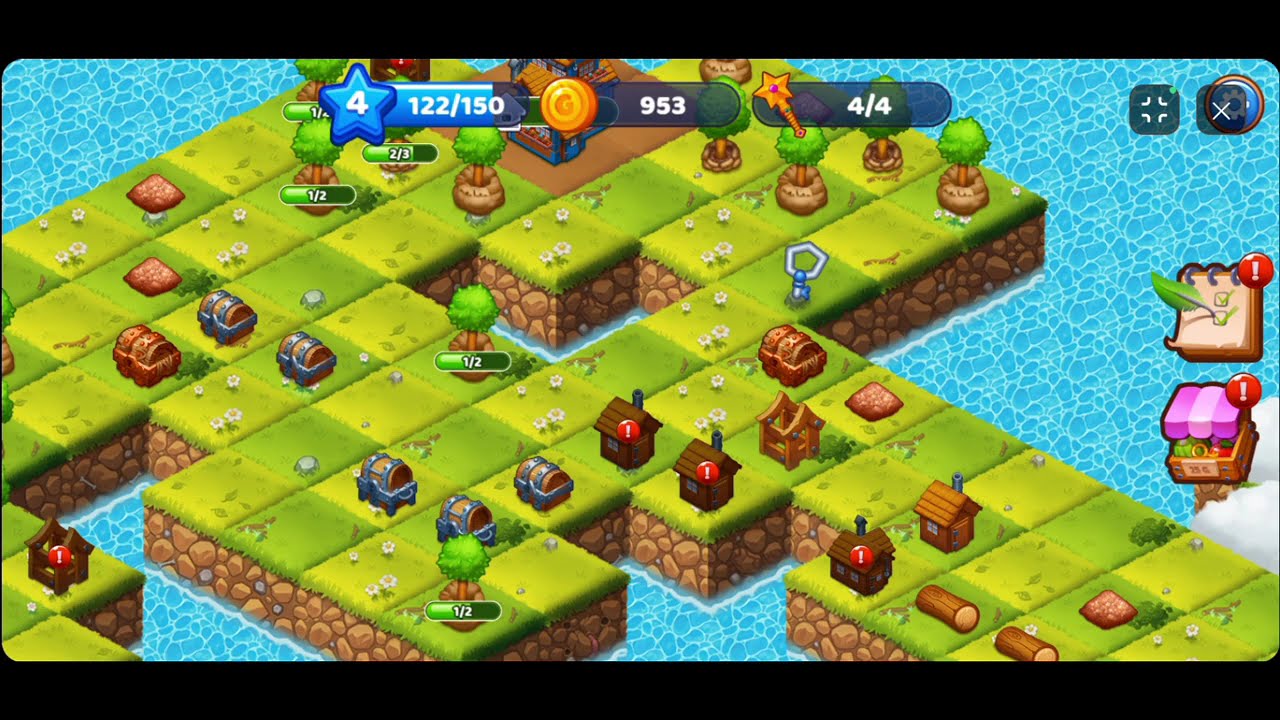
Understanding the theory of zoning and generators is great, but watching a functional city being built in real-time is crucial for grasping the spatial awareness required. Check out this brief gameplay demonstration below. Pay close attention to how the player organizes their board, dragging completed houses into neat rows while keeping their raw material harvesting contained in a specific corner.
Phase 3: Unlocking the Map and Architectural Planning
As you merge higher-tier items, your overall level increases, which slowly rolls back the fog covering the rest of the map. Expanding your territory is critical, but it comes with a warning: just because you have more space doesn't mean you should be sloppy.
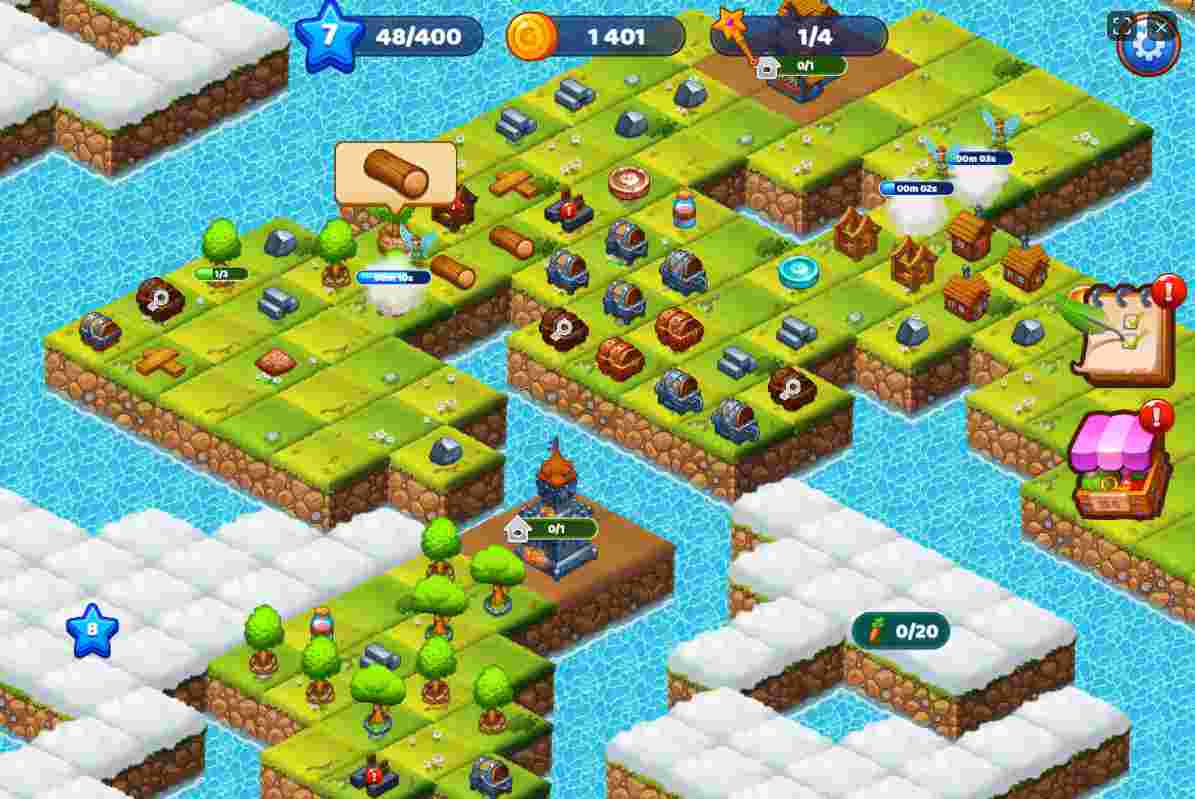
When you start unlocking massive structures like houses, mansions, and ancient treasure chests, they take up permanent real estate. You need to actively drag these completed, non-mergeable structures to the extreme edges of your map. Think of them as the outer walls of your city. By keeping your decorative and completed buildings on the perimeter, you protect the valuable, open grid space in the center, ensuring you always have room to cultivate new resource chains.
Phase 4: Utilizing the Encyclopedia and the Marketplace
Eventually, you will hit a point where you need one specific, high-tier item to complete a massive merge, but you have forgotten exactly which raw materials are required to build it. This is where the game's built-in Encyclopedia (Index) becomes your best friend. The Encyclopedia acts as a master blueprint, showing you the exact evolutionary chain of every single item, building, and resource in the game. Consult it frequently so you don't waste grid space harvesting the wrong materials.
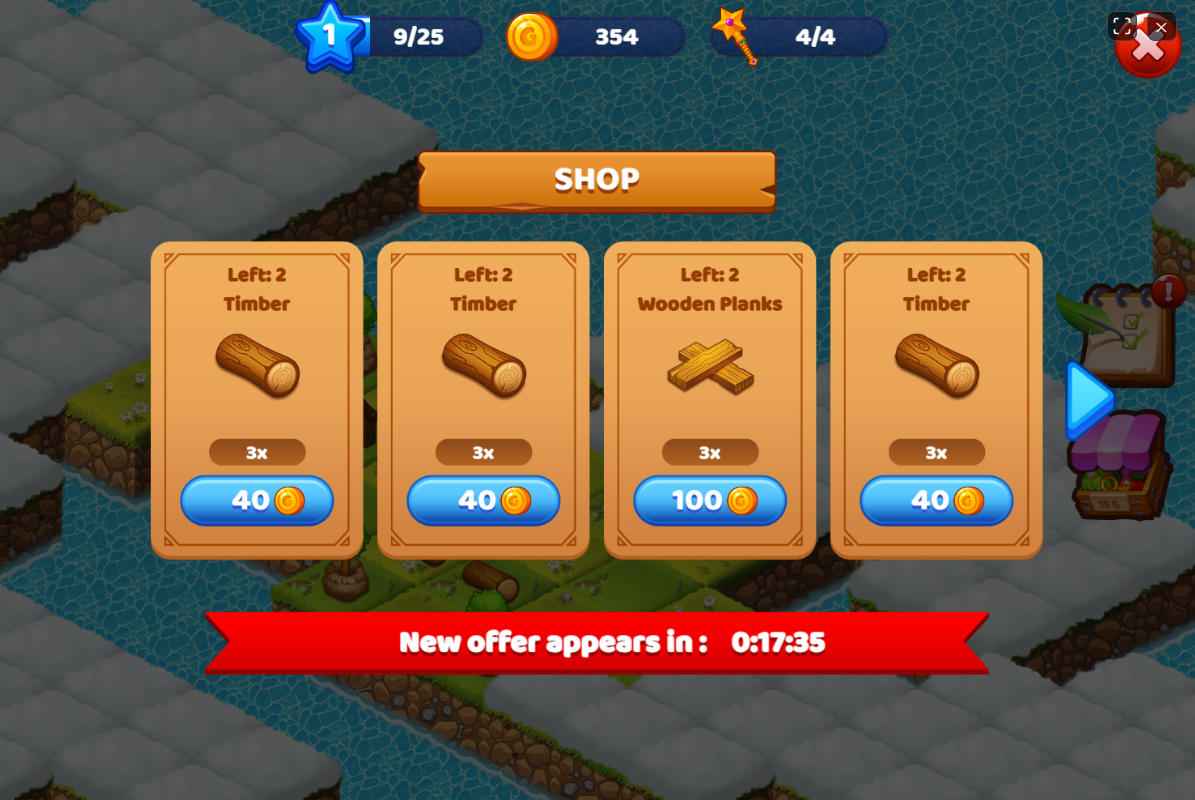
Furthermore, when you are hopelessly stuck—perhaps you are one wooden plank away from clearing a massive chunk of your board, but your tree generators are out of energy—you can visit the Shop. Using the currency you've earned through gameplay, you can directly purchase specific base materials from the store. While you shouldn't rely on the shop for everything, it is an incredibly powerful tool for breaking deadlocks and saving you hours of tedious grinding.
Final Thoughts on the Merge Mechanics
Merge World is a beautiful, relaxing, yet deeply strategic sandbox experience. It rewards patience, spatial organization, and long-term planning. By keeping your board strictly zoned, utilizing chain reactions to save space, constantly referencing your encyclopedia for merge recipes, and strategically using the shop to break gridlocks, you will transform your chaotic patch of dirt into a thriving, highly optimized metropolis. The world is yours to combine—so start dragging, dropping, and merging your way to victory!