We have all experienced the intense, anxiety-inducing frustration of boarding a crowded bus or airplane, desperately trying to reach our assigned seat while other passengers block the narrow aisles. Seat Jam 3D brilliantly captures this universal modern annoyance and transforms it into a highly addictive, spatial logic puzzle. The premise is deceptively simple: you are the invisible conductor of a chaotic transit vehicle, and your job is to guide a group of bewildered passengers to their matching seats.
However, what starts as a colorful, relaxing tapping game rapidly escalates into a brutal test of foresight and resource management. The aisles are narrow, the passengers are stubborn, and every single step you take counts against a strictly unforgiving move limit. In this comprehensive, 1000+ word strategy masterclass, we are going to tear down the mechanics of Seat Jam 3D. We will explore the critical concept of "Pathfinding Blockades," teach you how to manage your precious move economy, and show you how to utilize the meta-game features to customize your experience. Grab your boarding pass; it's time to clear the jam.
Phase 1: The Core Mechanics and the Ticket System
The rules of engagement in Seat Jam 3D are heavily reliant on observation and sequence. When a level begins, you are presented with a 3D grid representing the seats of a vehicle. Each empty seat is distinctly marked with a letter and a number (for example, "A1" or "B2"). Standing haphazardly in the aisles or waiting in a queue are the passengers, who are floating corresponding ticket bubbles above their heads.
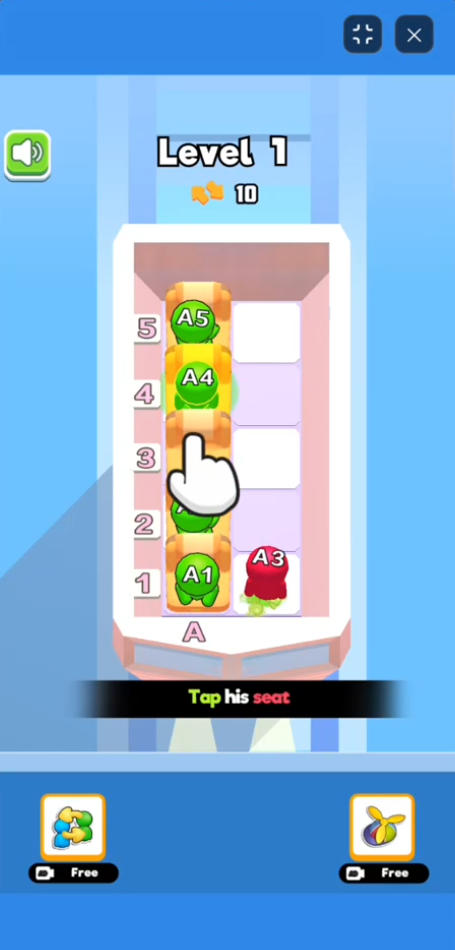
To make a match, you must first tap a passenger, and then tap their designated seat. The passenger will automatically attempt to walk to that specific location. If the path is completely clear, they will sit down, and you are one step closer to finishing the level. But in Seat Jam 3D, the path is almost never clear.
The game does not let you shuffle people around endlessly. You are constrained by a strict "Move Limit" displayed at the top of your screen. Every time you command a passenger to walk anywhere—even if they don't reach their final seat—you consume a move. If you run out of moves before every single passenger is seated, you instantly fail the level. This turns the game from a simple matching exercise into a high-stakes resource management challenge.
Phase 2: Decoding the Blockades (Reverse Pathfinding)
As you progress, the levels become incredibly dense. You will frequently find that the passenger holding ticket "C3" is standing right next to you, but seat "C3" is located at the very back of the bus, and the central aisle is completely blocked by three other passengers who are staring blankly into space.
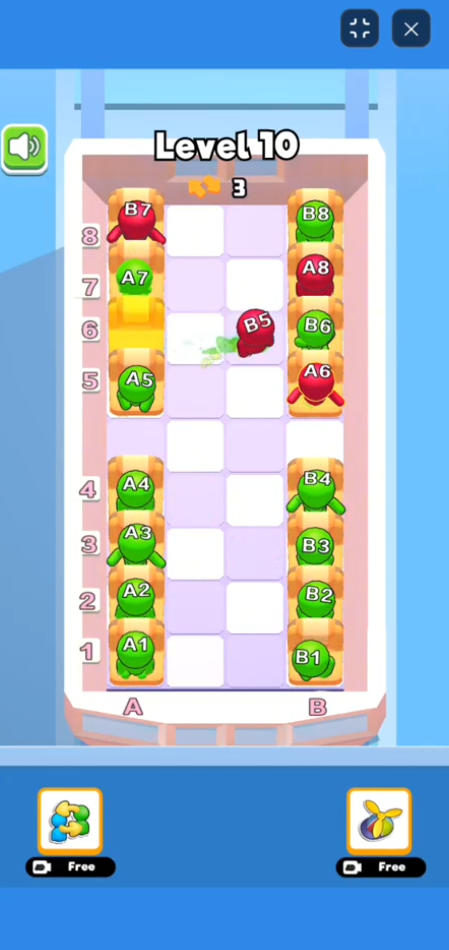
If you simply tap the blocking passengers and move them to random empty spots just to clear the aisle, you will burn through your move limit in seconds. To survive, you must employ the Reverse Pathfinding Strategy.
Do not start by looking at the passenger you want to move. Instead, look at the target seat. Trace a line backward from the empty seat to the passenger who needs it. Identify exactly who is blocking that specific path. Now, look at the blocking passenger's ticket. Can you move them directly to their final seat? If so, do that first! By prioritizing the movement of obstacles directly to their final destinations, you effectively "kill two birds with one stone"—you clear the aisle and seat a passenger simultaneously, all while preserving your move limit.
Gameplay Walkthrough: The Logic of the Aisle
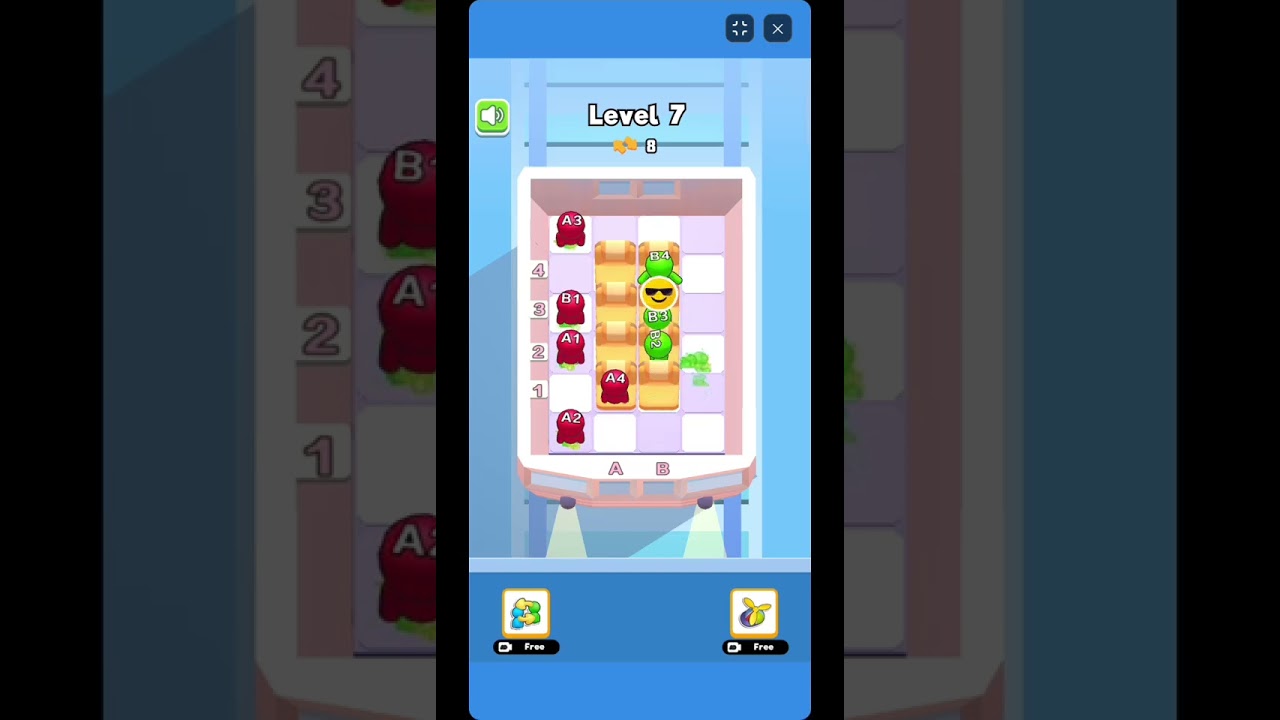
Understanding the theory of reverse pathfinding is essential, but watching a veteran player navigate the early game is vital for grasping the flow of the puzzle. Check out this gameplay demonstration below, showcasing the progression from Level 1 to Level 10. Pay close attention to how the player rarely makes "temporary" moves; almost every tap results in a passenger reaching their final destination.
Phase 3: Temporary Parking (The Necessary Evil)
While moving passengers directly to their final seats is the golden rule, there will be nightmare levels where this is mathematically impossible. Sometimes, the passenger blocking the aisle belongs in a seat that is currently occupied by someone else, creating a frustrating logical deadlock.
In these rare instances, you must use a "Temporary Park." You will be forced to sacrifice a precious move to command a passenger to walk into a temporary empty space (like a recess near the door) just to break the gridlock. When doing this, always choose a parking spot that will not block future paths. Never park a passenger in the main central aisle. It hurts to waste a move, but sometimes retreating one step is the only way to move three steps forward.
Phase 4: The Meta-Game, Rewards, and Customization
What keeps players returning to Seat Jam 3D day after day isn't just the satisfaction of solving the puzzles; it is the robust meta-game and progression system. The developers have integrated a highly rewarding economy that incentivizes consistency.
The Daily Login Bonus
Every single day you open the app, you are greeted with a Check-In (Sign-in) calendar. Consistency is key here. While the early days of the week offer modest amounts of gold coins, maintaining your streak unlocks massive coin payouts by day 7. Do not skip a day, even if you don't have time to play a full level; log in just to claim your free currency.

The Cosmetics Shop
So, what do you do with all those gold coins you've been hoarding from perfect puzzle clears and daily logins? You head to the in-game Shop. Seat Jam 3D offers a variety of visual customizations that add a layer of personal flair to the experience.
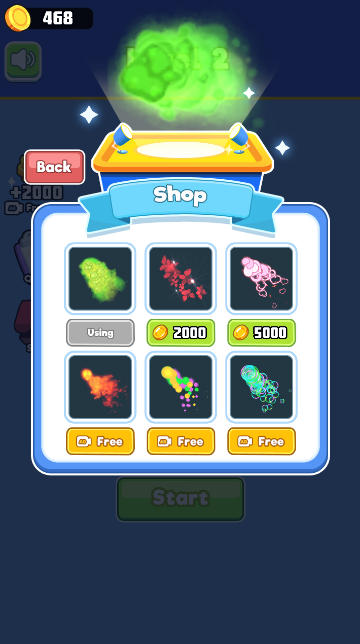
The most prominent upgrades are Movement Effects. Instead of passengers simply walking normally, you can purchase dynamic visual trails. Imagine sending a passenger to seat A1 and watching them sprint down the aisle leaving a trail of glowing sparkles, flames, or rainbow confetti behind them. It doesn't change the underlying logic of the puzzle, but it makes the execution infinitely more satisfying to watch.
Final Thoughts on the Ultimate Traffic Jam
Seat Jam 3D is a brilliant exercise in spatial planning and resource conservation. It forces you to slow down, analyze the board, and trace logical pathways before you ever lift a finger to tap. By mastering the Reverse Pathfinding strategy, fiercely protecting your move limit, and strategically utilizing temporary parking spots only when absolutely necessary, you will transform from a confused commuter into a master transit conductor. The passengers are waiting in the aisles—take a deep breath, read the tickets, and get everyone seated!