Throw Best Strategy Guide: Master Precision Aiming, Color-Ring Sector Alignment & Rotational Trajectory
Skill-based trajectory launchers have long occupied a cherished spot in casual gaming, combining intuitive physical controls with punishingly satisfying high-score chases. Among the most addictive modern titles in this genre, Throw Best takes the core mechanics of drag-and-release aiming and infuses them with colorful, rotating target geometry. Rather than merely tossing a projectile at a stationary bucket or basket, players must calculate speed, launch angle, and angular velocity to lock onto dynamic color-coded rings as they ascend endlessly upward.
While the game opens with forgiving wide targets and slow rotation speeds, higher altitudes quickly introduce narrow multi-colored ring segments, variable rotation directions, and shifting center points. Reaching high score thresholds isn't a matter of wild flicking; it requires deliberate line calculation, lead aiming, and a deep understanding of how the ball interacts with the ring edge upon impact. This guide delivers a complete breakdown of launch physics, color sector matching rules, target prediction, and practical climbing habits designed to maximize your vertical runs.
Core Mechanics: Understanding Drag-and-Release Physics & Color Sector Alignment
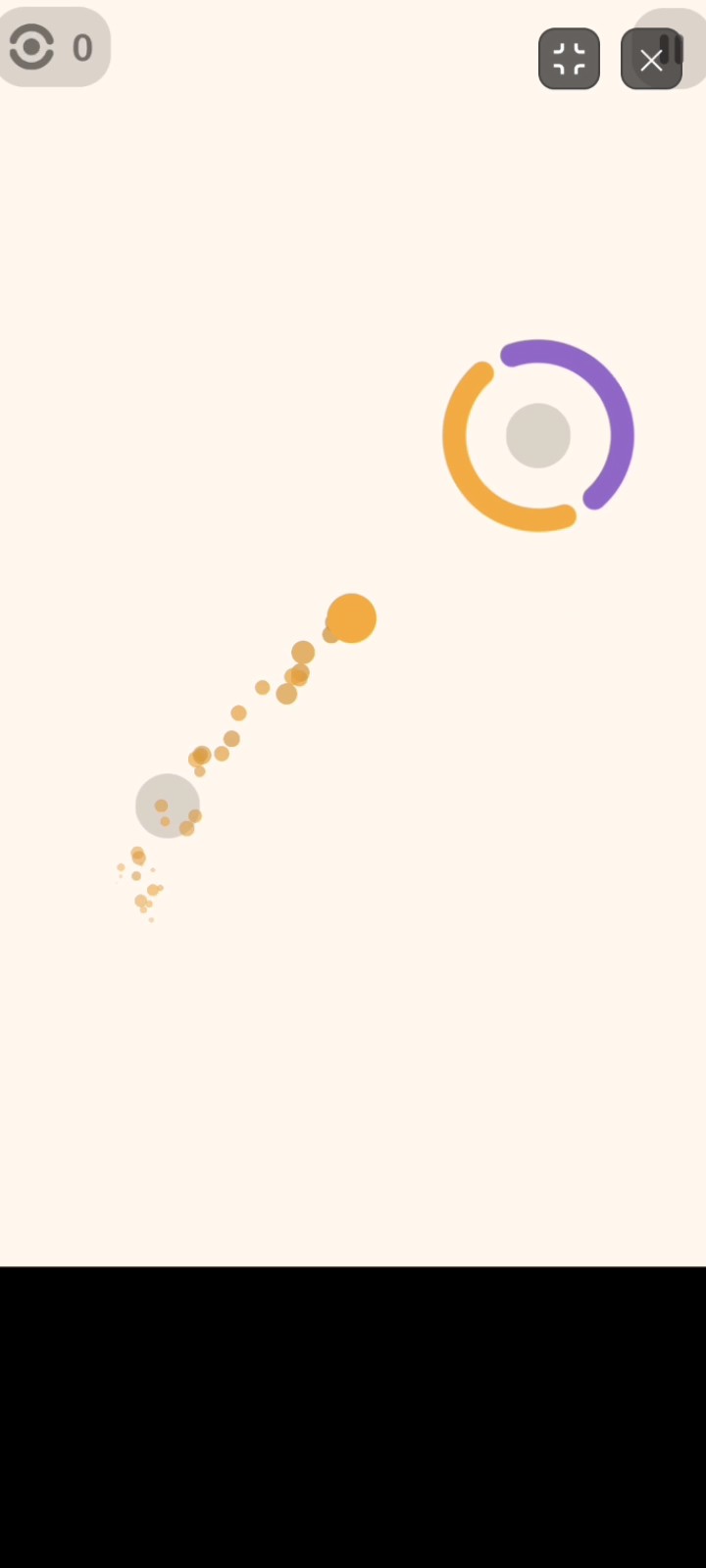
To establish control over your climbing run in Throw Best, you must first become comfortable with the fundamental relationship between user drag input, visual trajectory, and target capture physics. The entire game is operated through a seamless touch-and-hold drag interface:
- Drag Length equals Launch Velocity: Pulling back further from the ball increases the initial impulse speed. A short drag creates a gentle arc suited for close-range targets, while a long drag propels the ball upward at high velocity to reach distant rings.
- Inverted Vector Aiming: Dragging backward relative to your target extends an aiming arc in the opposite direction. Adjusting your finger position by a fraction of a millimeter visibly alters the predicted trajectory flight path.
- Color Sector Capture Mechanics: Floating target rings are divided into distinct colored arcs (such as blue, red, yellow, or green). Your active ball carries a specific color tone. To successfully latch onto a ring and continue your upward climb, the ball must impact the exact edge segment matching its current color.
- Penalty for Misaligned Color Impact: Hitting a ring segment of a differing color, or missing the ring framework entirely, results in a bounce-off or fall, instantly ending your active run and resetting your score climb.
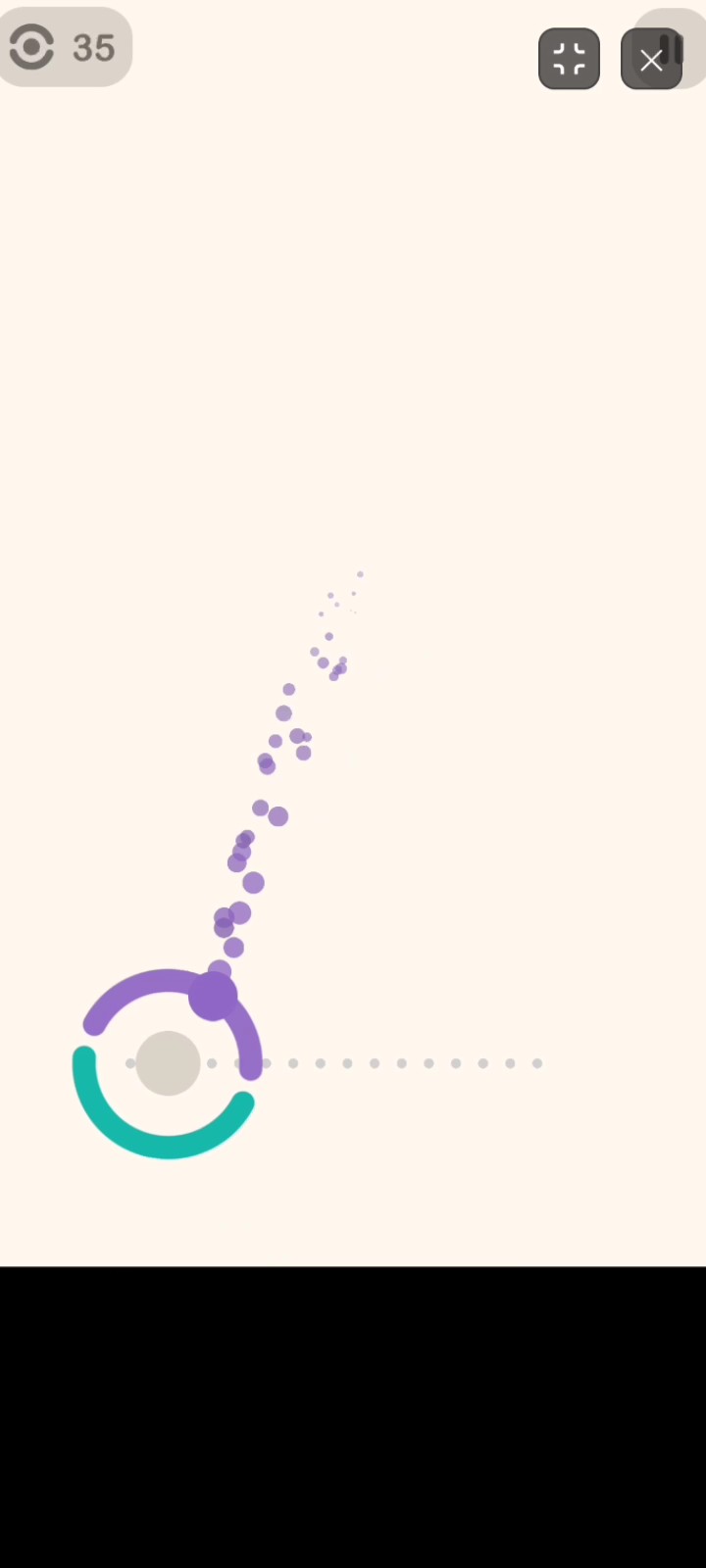
Rotational Dynamics & Lead Aiming: Predicting Moving Target Vectors
In early levels, targets sit relatively still, allowing you to line up direct shots along the center axis. However, as your vertical score rises, the core challenge of Throw Best emerges: continuously rotating target rings with shifting color segments.
When dealing with spinning rings, aiming directly at the matching color segment where it sits right now will almost always result in a missed match. By the time your ball travels through the air, the ring will have rotated, moving the target color out of the way and exposing an incompatible segment.
To consistently nail your landings on spinning rings, rely on these proven timing techniques:
- Calculate Lead Aiming Angle: Estimate the flight duration of your ball based on drag distance. If a ring is spinning clockwise at moderate speed, aim your shot ahead of the matching color segment, letting the ring rotate the target sector directly into your ball's path.
- Identify Angular Velocity Shifts: Pay close attention to rings that alter their rotation speed mid-spin or switch rotational directions unexpectedly. Wait for the speed stabilization phase before committing to a release.
- Leverage Apex Heights for High Scores: Higher rings carry greater point multipliers. When aiming for distant rings elevated above intermediate ones, use higher arc launches to drop the ball cleanly onto the top rim of the target sector.
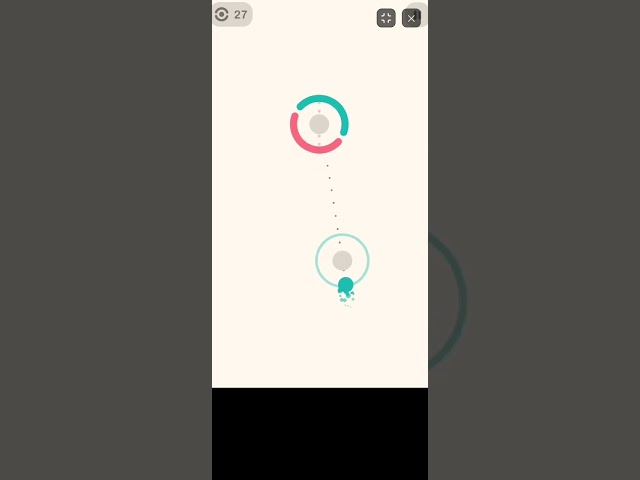
Gameplay Walkthrough Video: Watch Precision Launching in Action
Curious to see high-altitude color matching, lead-aim calculations, and clutch rotational catches performed in real time? Watch the gameplay video below to analyze high-level timing and drag control live:
Step-by-Step Master Playbook: How to Build Record High-Climb Runs
Consistency in Throw Best comes from establishing a calm, disciplined shooting rhythm. Execute this 5-step strategic routine on every launch to keep your ascent steady and fault-free:
- Step 1 - Match Check Before Dragging: Always glance at your ball's current color hue first thing after a capture. Confirming your color prevents accidental reflex shots aimed at the wrong sector.
- Step 2 - Scan the Target Ring's Rotation Pattern: Observe the target ring above you for one full revolution. Determine whether it turns clockwise or counter-clockwise, and note its rotation speed.
- Step 3 - Set Your Aim Arc Ahead of the Sector: Drag back on the ball to activate the trajectory line. Align the trajectory point slightly ahead of the incoming matching color arc.
- Step 4 - Smooth Drag Release: Avoid sudden jerky releases that throw off your finger position at the last moment. Lift your finger smoothly off the screen once the timing window opens.
- Step 5 - Reset Baseline and Prepare for Next Ring: Upon a successful capture, the ball locks onto the ring's outer rim, establishing a new launch point. Immediately recalibrate your view for the next elevated ring.
Common Mistakes That Ruin High Score Attempts
Even seasoned arcade players encounter frustrating falls when climbing high. Steering clear of these frequent errors will protect your run streak:
1. Rushing the Release Under Pressure
There is no strict countdown forcing you to shoot immediately upon catching a ring. Take a breath, observe the spin rhythm of the target above, and launch only when you feel confident in the trajectory.
2. Over-Powering Short Arc Launches
Pulling the drag line back to maximum strength for targets positioned right above you causes the ball to travel too fast, reducing your control margin and making precise lead-aiming almost impossible. Match force to distance.
3. Misjudging Ring Edge Thickness
Some target rings feature narrow color sectors where catching the exact center of the arc is crucial. Striking the border seam between two color segments can trigger an improper color collision, causing a bounce-out.
By blending steady trajectory control, lead aiming discipline, and careful color sector matching, Throw Best transforms from a simple timing test into an engaging physical skill puzzle. Practice your releases, master the spin, and set new record heights!
If you have questions regarding launch physics, technical feedback, or high-score strategies, feel free to contact our editorial team at support@puzzlechallengehub.com. We are dedicated to offering thorough game guides and high-quality browser gaming resources.
Play Throw Best Free Online
Throw Best
A thrill-packed precision throwing adventure! Master drag-and-release trajectory aiming, match ball colors to rotating target sectors, navigate dynamic spinning rings, and climb your way to record-breaking heights in your browser.